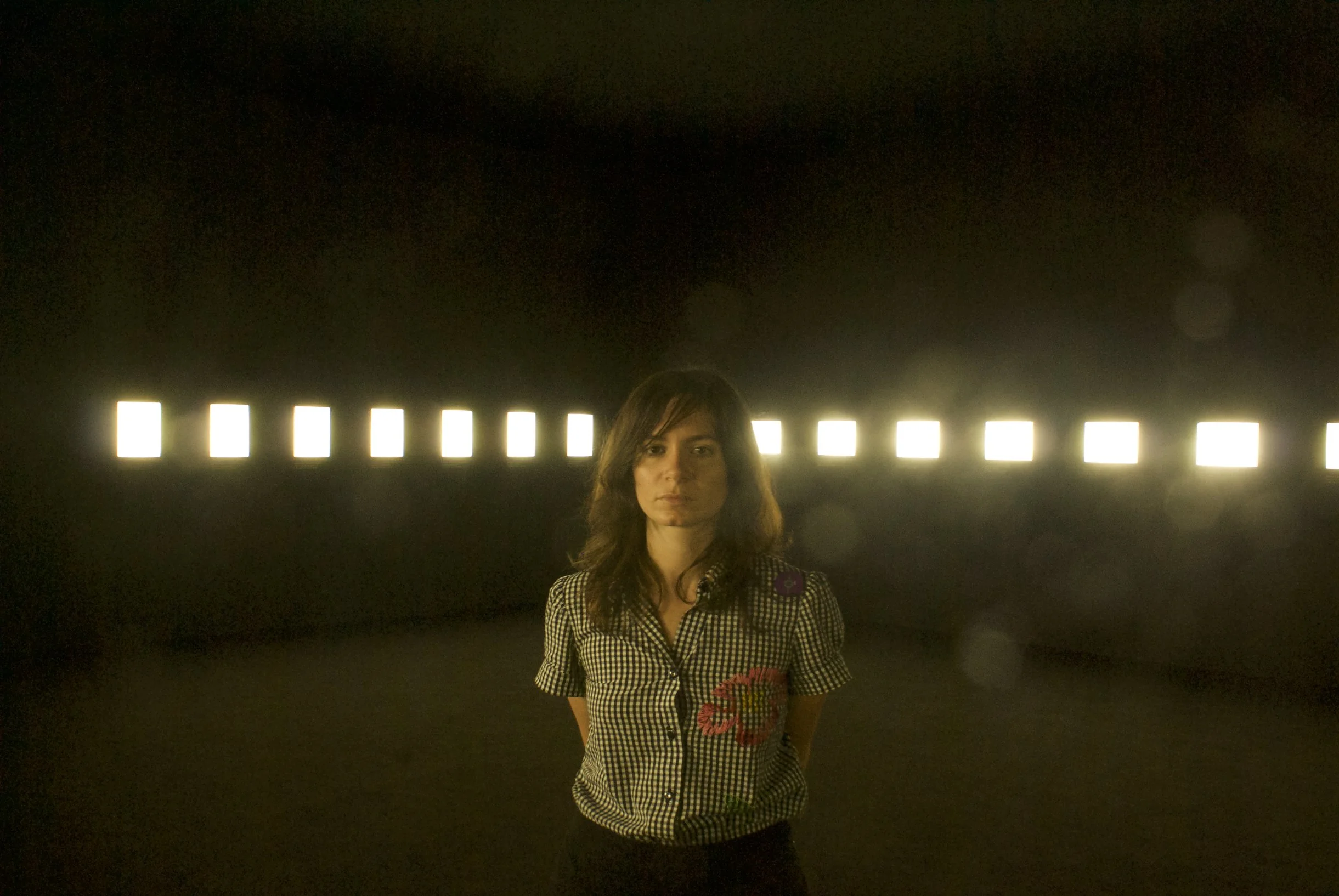
Display at the São Paulo Biennale
CHERNOBYL PROJECT
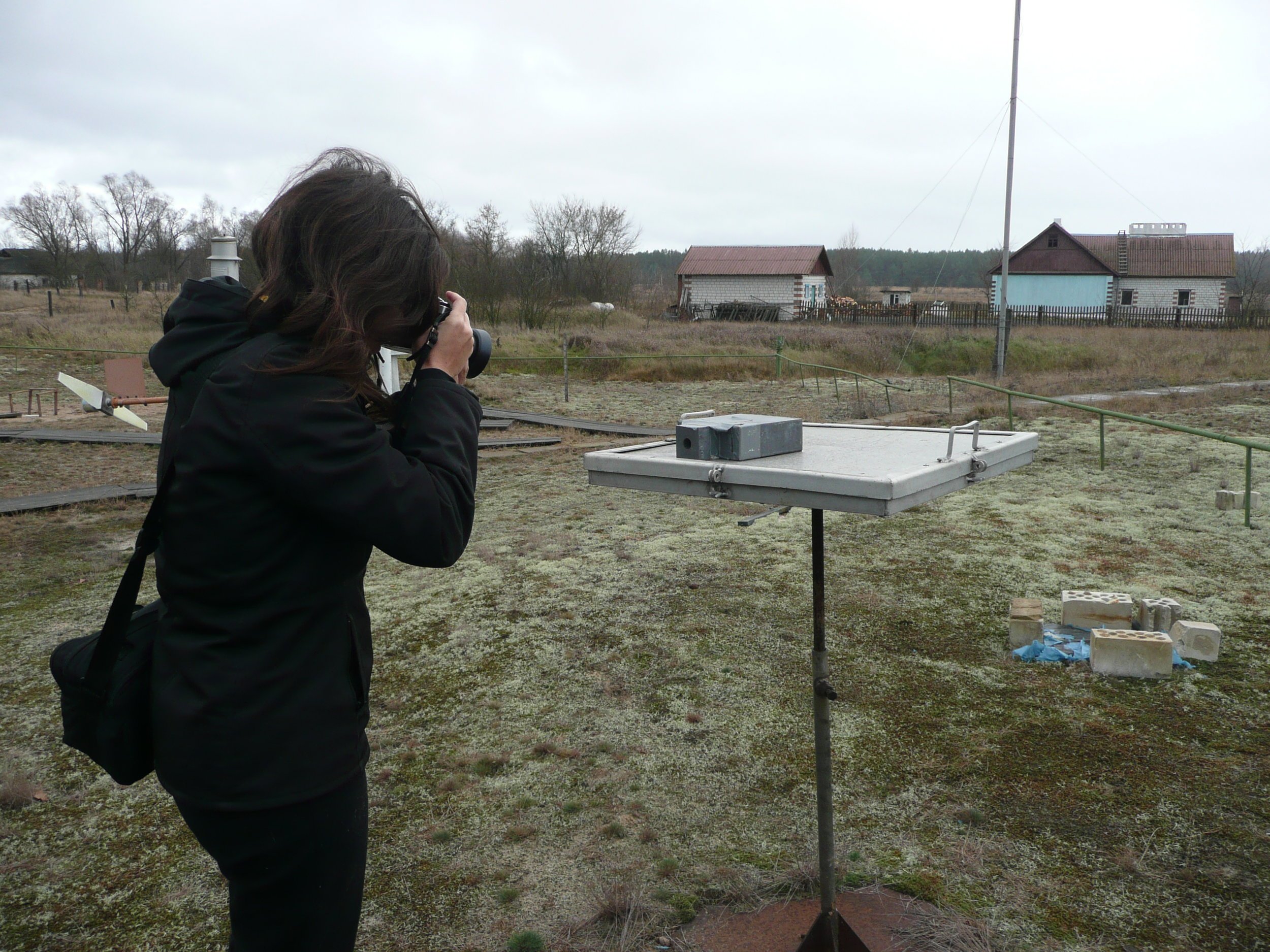
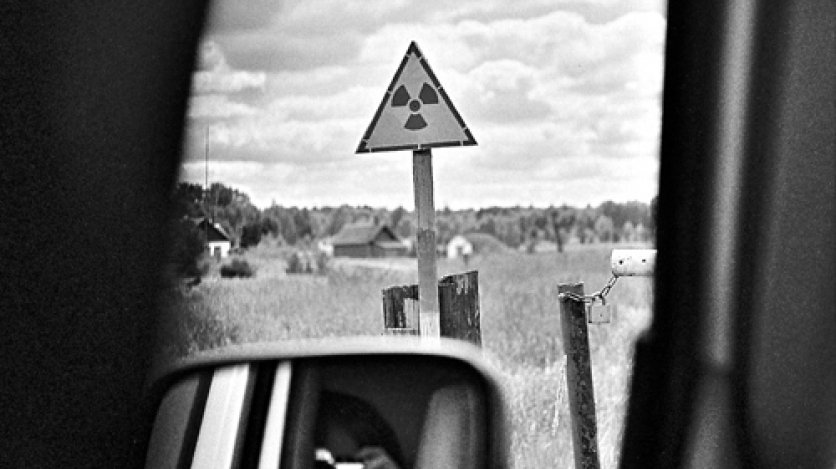
This work focused on the Chernobyl Exclusion Zone, an area defined not only by its visible ruins but, more importantly, by its invisible radioactivity. It went beyond a traditional photographic approach by using radiographic techniques that allowed the terrain itself to leave an impression of its radioactive footprint on film. This new way of working was both a technical adaptation and a deliberate tactic to graphically communicate the pervasive yet intangible radioactive presence that permeates the Exclusion Zone. A presence whose traces we can never fully grasp through our senses, except for the destructive traces it leaves behind.
The project was developed in collaboration with the Radio-Protection Institute in Rio de Janeiro, the Medical Faculty of the University of Munich, and the Sakharov University in Minsk.
Radiographic Installation
Backlights, 30 radiographic negatives, 30cm x 40cm (each)
Documentary Photographs
Documentation of the travel to and of the Chernobyl Exclusion Zone
35mm, variable size and number
VIDEO DOCUMENTATION
Chernobyl Project at the Americas Society, New York (05:44)
Arte1 Documentary “Olhar”, segment on the Chernobyl Project (10:08)
São Paulo Biennial (02:52)
Photographic documentation of the Chernobyl Exclusion Zone, radiographic negatives, and install-views.
Alice Miceli and Luiz Camillo Osorio in conversation (58:08)
PRESS
Uncanny Landscapes: Alice Miceli Interviewed by Louis Bury
Alice Miceli on X-raying Chernobyl
Projeto Chernobyl captures a post-human landscape
An Artist's Radiographic Photos Cast New Light on Chernobyl
The Photographer Who X-Rayed Chernobyl
What to See Right Now in New York Art Galleries
Three exhibitions to see in New York this weekend
The Cost of Our Choices: Alice Miceli’s Projeto Chernobyl at The Americas Society
Proyecto Chernobyl
Editors’ Picks: 23 Things Not to Miss in New York’s Art World This Week
Artnet News
Exhibition Review: Alice Miceli
Musée Magazine
PUBLICATIONS
Alice Miceli: Projeto Chernobyl / PDF
Americas Society
Skull Sessions (Andrea Galvani and Tim Hyde)
Several Pursuits
No entry and no way out: photographer Alice Miceli's travel diary to Chernobyl
ZUM
29th São Paulo Biennial Catalogue
São Paulo Biennial
AWARDS & RECOGNITIONS
-
Sergio Motta Institute, São Paulo, 2006
-
-
-

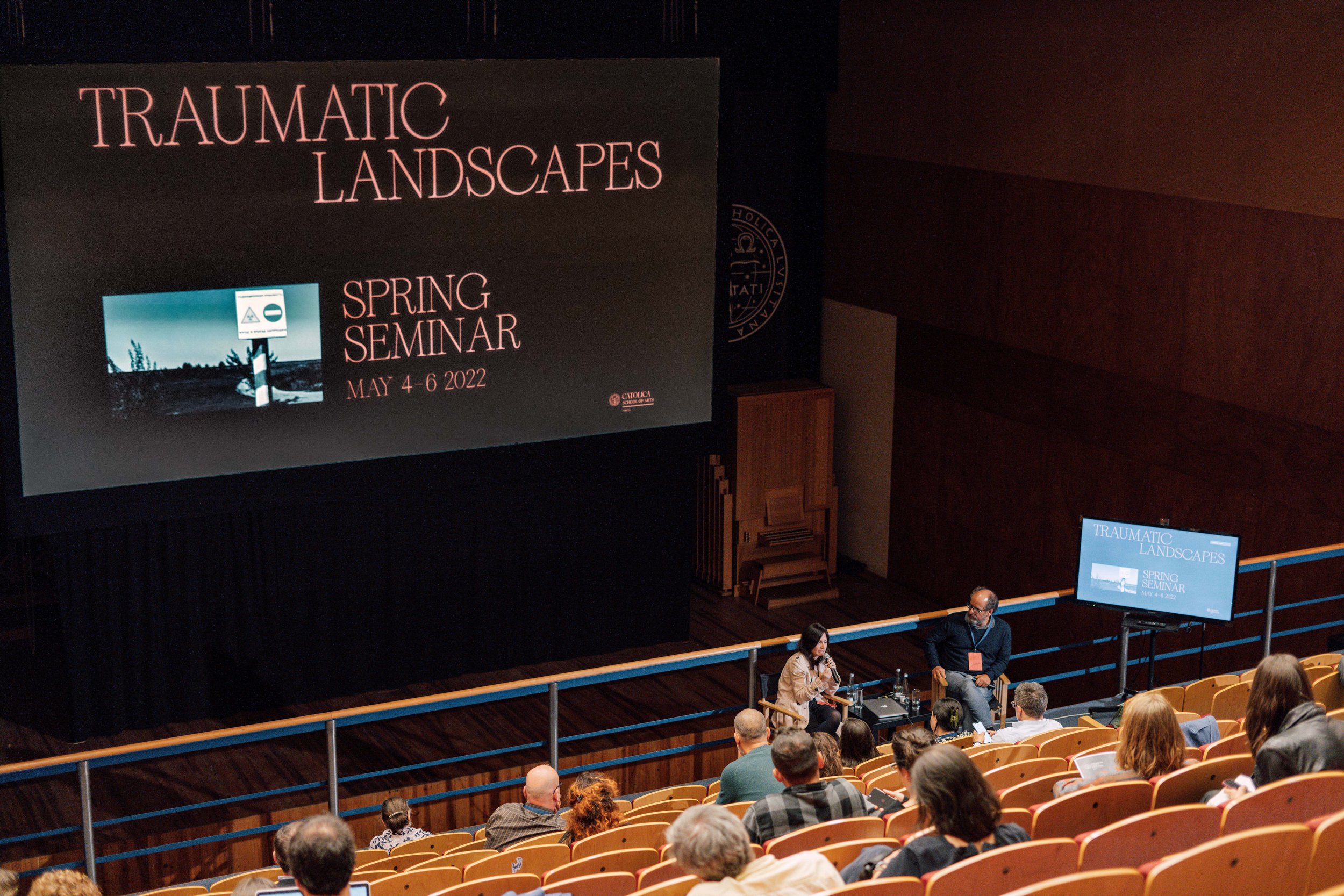
Spring Seminar “Traumatic Landscapes”, Escola das Artes, Porto, Portugal, 2022
Spring Seminar “Traumatic Landscapes”, Escola das Artes, Porto, Portugal, 2022
There are places around the world on the brink of disaster, from nuclear sites to war-torn regions. But what stories and secrets lie hidden behind the veil of conflict or tragedy?
In conversation with curator Luiz Camillo Osorio, Alice Miceli explores narratives behind war and conflict photography and how it can be used to capture moments that may otherwise go unseen. She looks at the contrasting approaches of two renowned photographers, Robert Capa and An-My Lê, in terms of capturing the action versus gaining a broader perspective. Alice then relates these issues to her own work by examining minefields and Chernobyl, projects that raise questions about different impenetrable spaces and how the medium of photography can be used to tell their stories.
Key moments:
The most heavily mined place on Earth - 25:47
The convention of war photography - 28:11
Contaminated landscapes - 40:26
What a contaminated landscape means for non-humans - 41:17
Arte1 Documentary “Olhar”, segment on the Chernobyl Project (10:08), as edited for the Americas Society.
As edited for the Americas Society, New York, 2020.
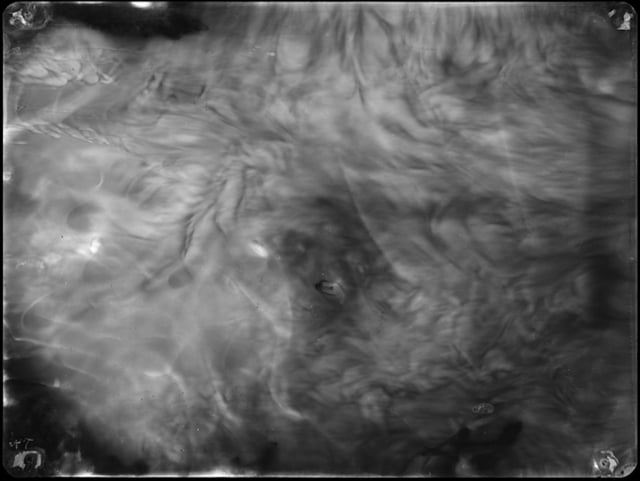
Exploring Alice Miceli's Journey Behind Her Radiographic Installation at the São Paulo Biennial
Alice Miceli's thought process and travels behind her radiographic installation presented at the prestigious Sao Paulo Biennial. In this video, listen as the artist explains her quest to understand and document various aspects of the Chernobyl Exclusion Zone.
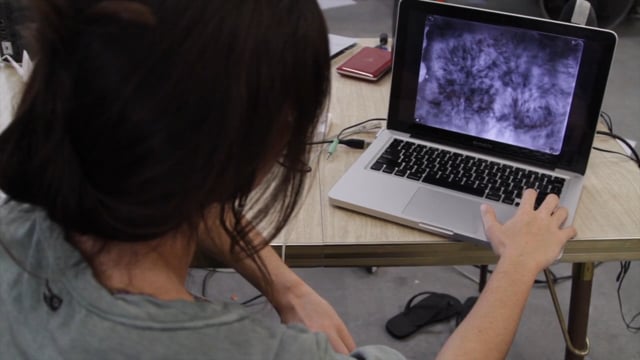
In residence at the Bemis Center, Omaha, Nebraska
Video produced by the Bemis Center while Alice Miceli was an artist in residence in their program, developing the conceptual frame and preparatory work to start "In Depth (minefields)".
In her work in Chernobyl, the nature of the visual and its borders were explored to show how radiation escapes visibility while defining that environment. If a place does not reveal itself in the visual, the question then was how to look. By what means? The poetic as well as the physical operation of that work needed to reside in the capturing of the image, in the impression of a physical impact created by the means of radiation itself, which revealed a pervasive but hidden reality.
Continuing this theme of places that are impenetrable and inaccessible, Alice worked in minefields across the globe. Unlike the visual impenetrability of Chernobyl, the inaccessibility of such spaces is related to the depth of the actual space that is to be traversed and depicted in the image.
This video highlights the start of her research and the connections, as well as differences, to her work in Chernobyl.
Ping Pong #22 | Alice Miceli and Thyago Nogueira (1:17:41)
Alice Miceli and Thyago Nogueira, director of the Contemporary Photography Department at the Moreira Salles Institute and editor-in-chief of ZUM magazine, talk about photography, radiation, invisibility, minefields and pandemics, and the relationship of these subjects with the artist's work.
Alice Miceli and Thyago Nogueira, director of the Contemporary Photography Department at the Moreira Salles Institute and editor-in-chief of ZUM magazine, talk about photography, radiation, invisibility, minefields and pandemics, and the relationship of these subjects with the artist's work.
The Acts of Translation cycle arises as an environment for discussions and practices around a problem that today is posed as potency in the contemporary debate: translation, in its expanded sense. A notion that has its origin in the field of literature, translation can be extended to other knowledge practices if recognized as an act, experimentally moving the delimitations of the concept.
Program
The Acts of Translation cycle arises as an environment for discussions and practices around a problem that today is posed as potency in the contemporary debate: translation, in its expanded sense. A notion that has its origin in the field of literature, translation can be extended to other knowledge practices if recognized as an act, experimentally moving the delimitations of the concept.
Thus, we propose to think of translation acts in a way close to what the anthropologist Roy Wagner calls "analogical extension of concepts", which happens when, by diving into the specificities of other ontological universes, we need to mobilize our own concepts to access other forms of thought.
We recognize as acts of translation internal experiments in literature, poetry and translation studies in which the way translation resources are operated interpellates the field itself; anthropology, when it is thought of as a procedure of translation through differences; science, when understood not as a truth that gives transparency to the world we live in, but as a narrative event; psychoanalysis, in its way of recognizing formations of the unconscious via difference and as a body that is foreign to language, demanding exercises in translation where the same language is assumed; art - in its visual, sound, textual, and scenic possibilities - when, for example, the very means, supports, and languages of certain artistic works seem to make themselves visible before the spectator, or when something untranslatable remains over the work, or even when the very place of translation, in its crossing of languages or perspectives on something, is inscribed as a poetic place.
The cycle is intended to think these acts in order to extract, from the way each one of them uses translation as a tool, its own method of relating to difference and, in this sense, a method of creation.
Curators: Bruno Siniscalchi and Maria Borba (Instituto Comum, Brazil).
Program
25/10
2:30pm Translation as an act
Opening and mediation - Helena Martins (PUC-Rio, Brazil).
Speakers: André Capilé (Brazil), Guilherme Gontijo Flores (UFPR, Brazil) and Paulo Henriques Britto (PUC-Rio, Brazil).
Artist: Leonardo Nunes (Brazil).
26/10
10h30 Anthropology as translation
Speakers: Marisol de la Cadena (University of California Davis, USA) and Patrice Maniglier (University of Paris-Ouest Nanterre, France).
Mediation: Maria Borba (Instituto Comum, Brazil).
Artists: Ayani Hunikuin (Brazil) and Louise Botkay (Brazil) / Jaider Esbell (Brazil).
27/10
10h30 Science as translation
Speakers: Mario Novello (Brazil, CBPF) and Steve Woolgar (Oxford University, UK).
Mediation: Maria Borba (Instituto Comum, Brazil).
Artist: Alice Miceli (Brazil).
28/10
10h30 Psychoanalysis as translation
Speakers: Joel Birman (UFRJ, Brazil) and Monique David-Ménard (University Paris-Diderot, France).
Mediation: Bruno Siniscalchi (Instituto Comum, Brazil).
Artist: Yhuri Cruz (Brazil).
29/10
10h30 Art as translation
Speakers: Caroline Bergvall (United Kingdom) and Flora Süssekind (Brazil, UNI-Rio).
Mediation: Bruno Siniscalchi (Instituto Comum, Brazil).
Artists: Cid Campos (Brazil) / Maria Palmeiro (Brazil).
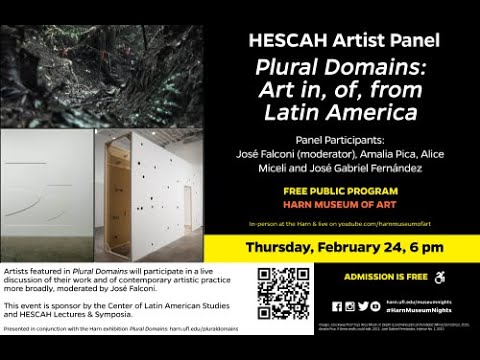
Artist Panel featuring José Falconi (moderator) and panel participants Amalia Pica, Alice Miceli, and José Gabriel Fernández to discuss the interconnections between artistic practices, curatorial research as well as diversity and pluralism in the contemporary art of Latin America.
Artist Panel featuring José Falconi (moderator) and panel participants Amalia Pica, Alice Miceli, and José Gabriel Fernández to discuss the interconnections between artistic practices, curatorial research as well as diversity and pluralism in the contemporary art of Latin America. This event is presented by Harn Eminent Scholar Chair in Art History (HESCAH) Lecture and inspired by the exhibition Plural Domains: Selected Works from the Cisneros Fontanals Art Foundation Collection curated by Jesús Fuenmayor.
In this talk, Artist-in-Residence Alice Miceli will discuss her research on landscapes inscribed with human-induced traumas and how former theatres of war raise issues of visibility, accessibility, and memory.
Studio #01-06, Block 38 Malan Road
In this talk, Artist-in-Residence Alice Miceli will discuss her research on landscapes inscribed with human-induced traumas and how former theatres of war raise issues of visibility, accessibility, and memory. Focusing on two of her major projects—Chernobyl Project (2007–2011), which revolves around the exclusion zone generated by the infamous nuclear disaster and In Depth (landmines) (2014–ongoing), a photographic inquiry into landscapes contaminated with unexplored landmines—Miceli will unravel the multiple methodologies, from archival research and investigative travels to formal experimentation, which frame the traces of trauma in the context of her practice.
The talk will take place in the artist’s studio.
BIOGRAPHY
The work of Alice Miceli (b. 1980, Brazil) addresses issues of time, memory, and violence through formal experimentations, archival research, and investigative travels. In her projects In Depth (landmines) (2014–ongoing) and Chernobyl Project (2007–2011), she charts the visual, physical, and cultural manifestations of human-induced trauma inflicted on social and natural landscapes. Her exhibition record includes the 5th Moscow International Biennale for Young Art, Russia (2016) and 17th Japan Media Arts Festival, Tokyo, Japan (2014).
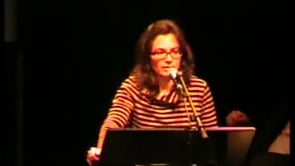
Photographer and visual artist Alice Miceli explores notions of visibility stemming from her work with radiation in Chernobyl
In this talk, Alice Miceli explores notions of visibility from her work with radiation in Chernobyl and relates them to current perceptions of cultural and climatic change.
This talk was part of the Transmediale series "Climate Change as Paradigm Shift", which focused on pivotal events that forever change the condition of being alive in a particular era.
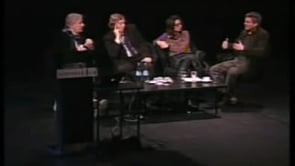
The session is concluded with a panel discussion on climate change as paradigm shift with Rob van Kranenburg, Dr.Andre Kiss, Victor Nemchinov and Alice Miceli all contributing.
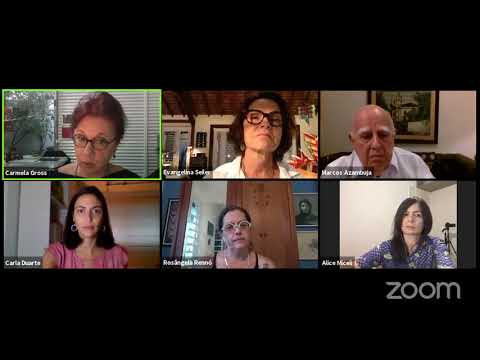
3 GENERATIONS, 3 ENEMIES - A CONVERSATION ABOUT ARTS, HUMAN RIGHTS AND DEMOCRATIC VALUES (1:33:24)
The Culture and International Relations Center of CEBRI promotes the live debate "3 Generations, 3 Enemies - A conversation about arts, human rights, and democratic values" with the participation of: Alice Miceli (Visual Artist), Carmela Gross (Visual Artist), Rosângela Rennó (Visual Artist), Ambassador Marcos Azambuja (CEBRI), Evangelina Seiler (CEBRI) and Carla Duarte (CEBRI)
The Culture and International Relations Center of CEBRI promotes the live debate "3 Generations, 3 Enemies - A conversation about arts, human rights, and democratic values" with the participation of: Alice Miceli (Visual Artist), Carmela Gross (Visual Artist), Rosângela Rennó (Visual Artist), Ambassador Marcos Azambuja (CEBRI), Evangelina Seiler (CEBRI) and Carla Duarte (CEBRI)
(13/09/2011)
Programa O MAC encontra os artistas
Programa O MAC encontra os artistas 13/09/2011
ARTE 1
Produced by Arte1 channel, the series "Olhar" proposes a dive into the poetic universe of contemporary Brazilian artists. The documentary presents the influences, trajectories, and creative processes of artists.
MORE VIDEOS
BOOK LAUNCH / LECTURE SERIES
O ebook "Atos de tradução" reúne o material do ciclo homônimo realizado em 2021, onde artistas e pensadores de diferentes saberes e linguagens se reuniram acerca de uma problemática que hoje se coloca enquanto potência no debate contemporâneo: a tradução, entendida em seu campo ampliado.
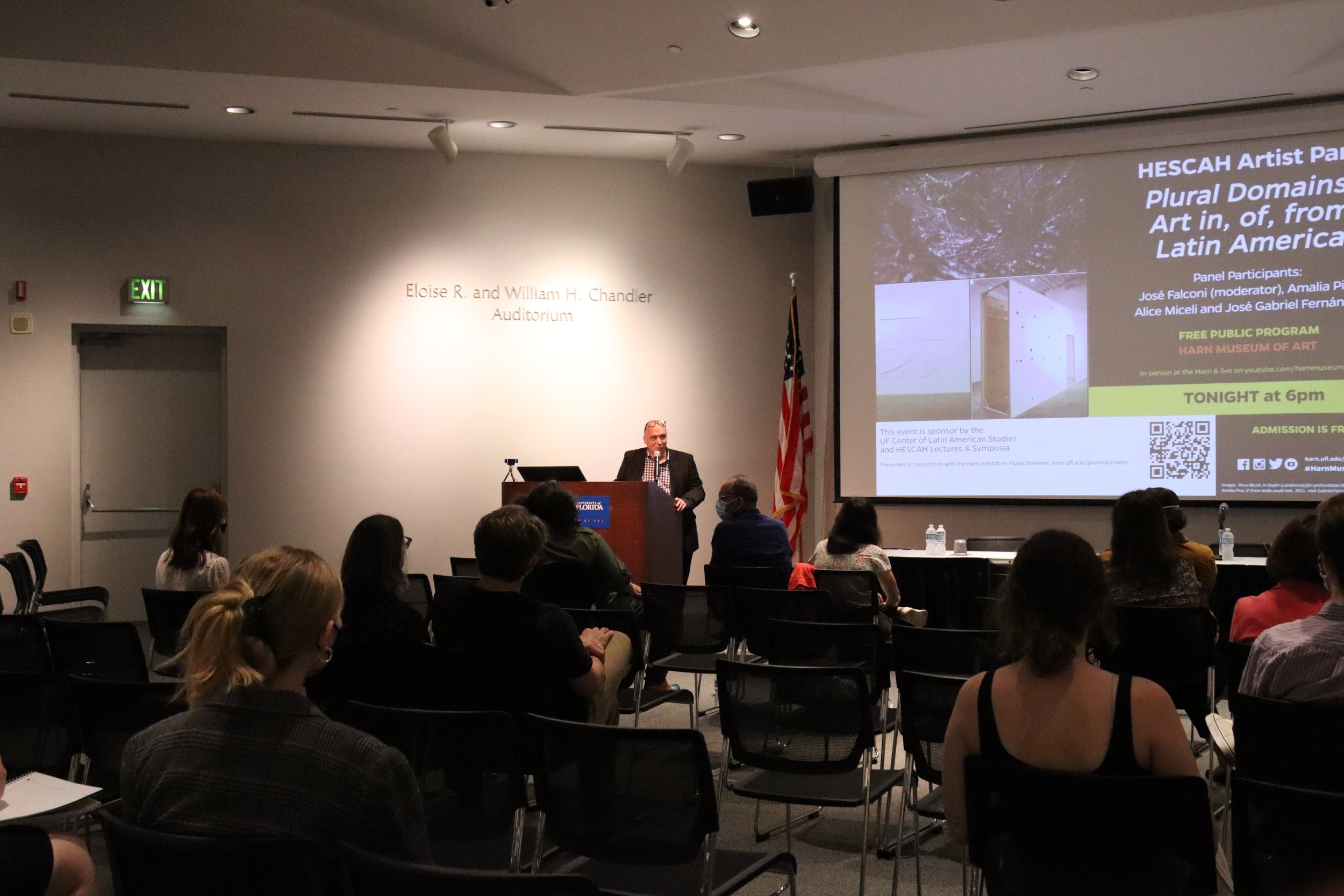
PANEL
Harn Eminent Scholar Chair in Art History (HESCAH)
José Falconi (moderator) / Panel Participants: Amalia Pica, Alice Miceli, José Gabriel Fernández
“Plural Domains: Art in, of, from Latin America” includes one art history lecture and a panel discussion comprised of internationally recognized artists and a scholar, each with a distinguished career and record of exhibitions, publications and participation in public events. The events take as their point of departure the exhibition Plural Domains: Selected Works from the Cisneros Fontanals Art Foundation Collection, which is curated by Jesús Fuenmayor for University Galleries and the Harn Museum of Art. The panel addresses the interconnections between artistic practices, curatorial research as well as diversity and pluralism in the contemporary art of Latin America.
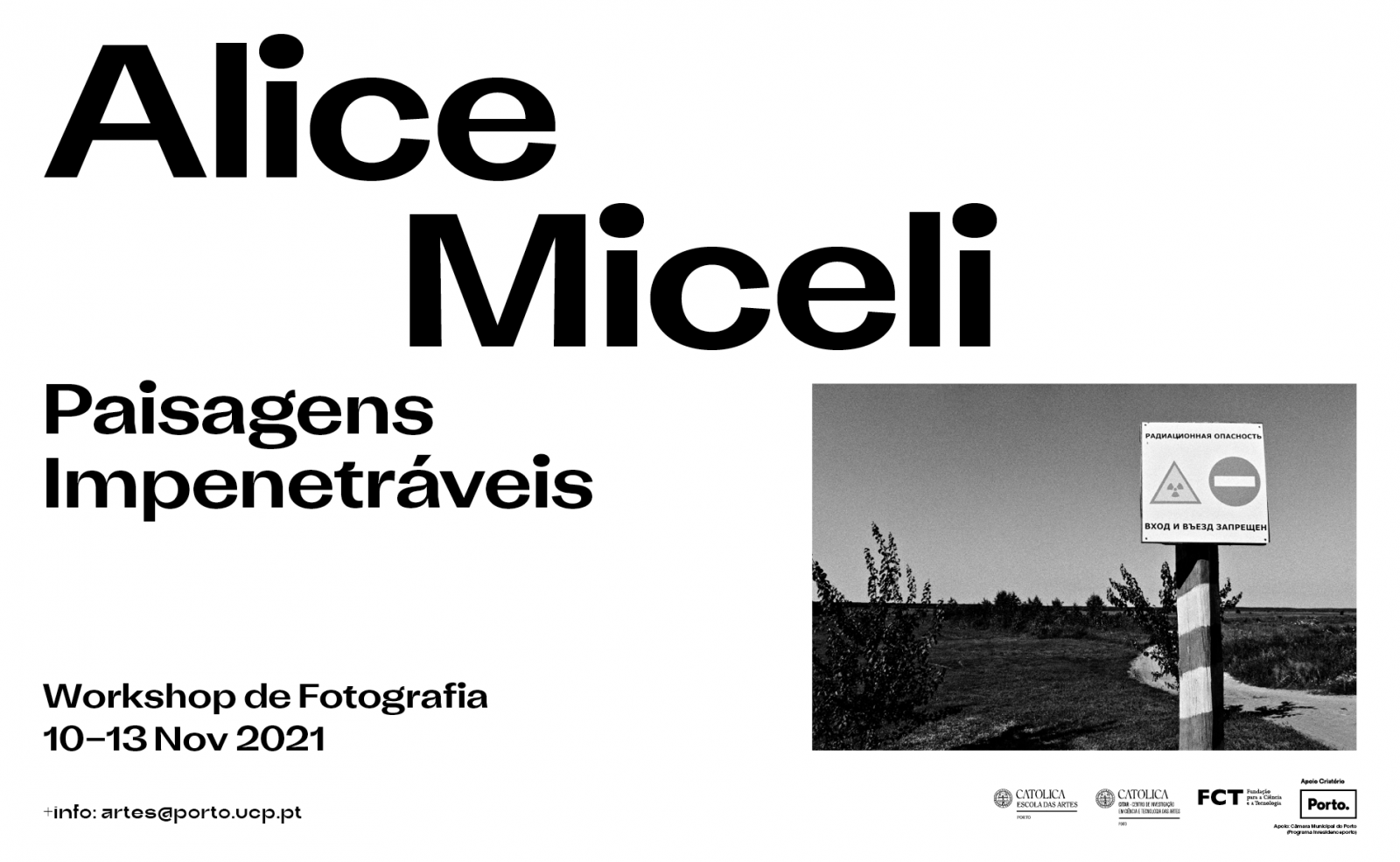
WORKSHOP
No âmbito do programa InResidence promovido pela Câmara Municipal do Porto, Alice Miceli está na Escola das Artes a desenvolver um projeto de investigação já em curso, centrado nas representações fotográficas da paisagem, nomeadamente em zonas pós-conflito e onde foram deixadas minas terrestres, para refletir sobre a contradição entre a invisibilidade e a violência de tais dispositivos militares.
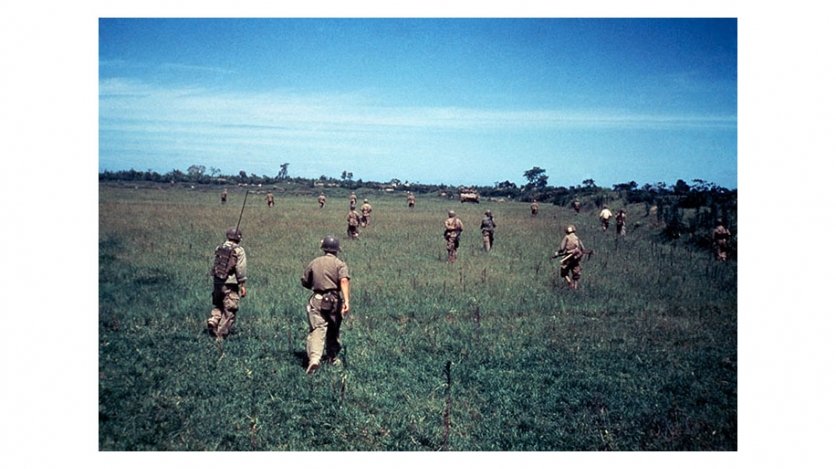
PANEL
This panel will contextualize Alice Miceli's experimental mode of documentation within the genre of photography.
Alice Miceli's work operates within a legacy of documentary photography to depict the aftermath of the 1986 Chernobyl explosion. Instead of repeating the widespread images of the abandoned buildings of Pripyat and its survivors, she developed a scientific method to document the radiation itself. This panel will contextualize her experimental mode of documentation within the genre of photography.
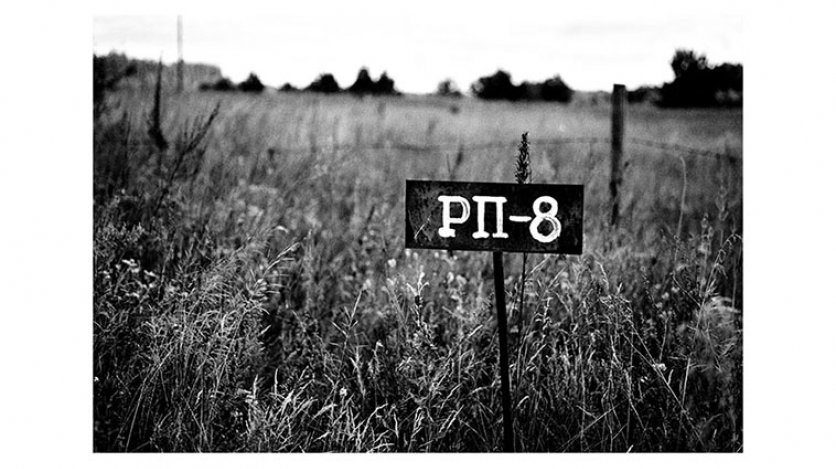
PANEL
This panel addresses how the risk of nuclear disaster continues to threaten global health, human rights, and the environment.
Although visitors to Alice Miceli: Projeto Chernobyl can see the effects of the gamma rays, the imperceptibility of its threat heightened the Chernobyl Power Plant explosion’s consequences for the population surrounding Pripyat. This panel addresses how the risk of nuclear disaster continues to threaten global health, human rights, and the environment.
TALK
Alice will introduce and discuss the exhibition, Alice Miceli: Projeto Chernobyl. She will shed light on the process of her series made in the Chernobyl Exclusion Zone as well her work on land mines in Angola, Cambodia, Colombia, and Bosnia. Her work in impenetrable spaces reveals urgent issues about art, human rights, and the environment.
TALK
The Brazilian artist will present a talk on recent works that explore the phenomenon of impenetrable, inaccessible spaces, that even in our globalized world, remain somehow off the map.
PAST EVENTS
Chernobyl Project at the Americas Society, New York (05:44)
2019/2020
In this video, we take a look at the “Chernobyl Project” as displayed at the galleries of the Americas Society, in New York.
Initially, Miceli considered "visual representations of silence," but her project evolved into something much more profound. Through photographic techniques to capture the radiation levels at the Chernobyl site, Miceli created a series of haunting and powerful images that detail the ongoing impact of the disaster, which occurred 33 years ago. In this video, we highlight her work, which was showcased in the Americas Society's gallery, converted into a black box to create a sense of immersion for viewers. Miceli's art serves as a reminder to consider the implications of the actions and to strive for a more sustainable future.